From prescriptive programs to ecosystem builder
Learn how the Elmina B. Sewall Foundation orchestrated a statewide capacity building transformation, moving from isolated vendor relationships to a coordinated ecosystem of support providers that serves 300+ Maine nonprofits while catalyzing sector-wide infrastructure for shared services and peer learning.

The Sewall Foundation works with over 300 nonprofit
partners who support a culture of equity and interconnected well-being for people, animals, and the environment in Maine.
01
About
The Sewall Foundation had offered capacity building support for years, but primarily through a one-size-fits-all approach using a single vendor and occasional grantee convenings.
A comprehensive assessment in 2024 uncovered that their diverse portfolio of 300+ grantees needed radically different types of support. The assessment revealed clear priorities: fundraising and grant writing resources, board governance support, leadership development, and opportunities to connect with peers facing similar challenges.
Armed with this knowledge and a commitment to trust-based philanthropy, the Sewall Foundation launched an ambitious pilot in June 2025 to reimagine their "Beyond the Grant" support.
This transformation wasn't just about adding more options—it was about fundamentally shifting from prescriptive programming to responsive partnership, letting grantees choose what they actually need rather than what the foundation thought they should have.


KRISTINA KALOLO
Community Partner
"At Sewall, learning is an ongoing cycle nurtured by a discipline of curiosity. We ask questions, listen and reflect, and then we adapt. We see Resilia and our Beyond the Grant offerings as a part of our emergent learning."
02
Challenges
When the Sewall Foundation evaluated their capacity building approach, they confronted systemic challenges that reflected both the complexity of their portfolio and the limitations of traditional foundation support models.
Key Challenges
One-Size Doesn’t Fit All
After years with a single vendor approach, they discovered their grantees had wildly different needs. Some grantees were tiny grassroots groups needing basic templates, while others were more established nonprofits with different operations.
The Capacity Paradox
The organizations who needing the most support, were often least able to access it. Single-person nonprofits couldn't attend mandatory workshops, new platforms felt overwhelming, and power dynamics meant grantees felt they had to said yes.
Learning in Isolation
Despite having tremendous wisdom and expertise within their grantee partners, there was a need for more infrastructure for peer learning. Nonprofits were often solving similar problems in isolation and were interested in sharing solutions and supporting each other through common challenges.
03
How Resilia Supported Growth
Resilia became one of the core offerings that the Sewall Foundation provides to all their grantees. Creating a foundation for comprehensive capacity building that grantees can access on their own terms.
Values-aligned partnership
Resilia's focus on grassroots organizations matched their portfolio perfectly, with digestible templates and tools designed for people already juggling multiple roles rather than lengthy reports that sit unread.
Multiple engagement pathways
Whether through templates, Academy courses, peer learning circles, or one-on-one coaching, grantees could choose how to engage based on their available time and immediate needs, which was critical for organizations where one person handles five jobs.
Peer connection infrastructure
Community features addressed the isolation many leaders felt, creating spaces for executive directors to problem-solve together and share the expertise that already existed within Maine's nonprofit sector.
Scalable specialized support
Three grantee organizations received one-on-one coaching pilots, providing intensive support that would typically cost $15,000 per consultant engagement, now accessible without lengthy RFPs or procurement processes.
"The categories and topic areas that Resilia focuses on align strongly with what we heard from our grantee partners during our assessment.
We were excited to offer something so responsive knowing that there were fundraising and grant writing
resources, board governance support, leadership development - all things we heard were priority capacity build needs."
KRISTINA KALOLO
Community Partner
04
Results
The Sewall Foundation has established a more responsive capacity building model that honors both grantee autonomy and the foundation's learning journey.
Immediate Adoption Wins After Implementation
Multiple organizations quickly downloaded templates from Resilia's Academy and put them to work immediately—from creating first-time annual reports to restructuring board governance documents. Kristina's own nonprofit board actively uses the platform's tools, finding them more practical and digestible than lengthy consultant reports that typically gather dust.
Transformative 1:1 Coaching Impact
One under-resourced organization with only a working board used Resilia's 1:1 coaching to diagnose and address critical operational issues. Instead of spending months finding and vetting an expensive consultant, they received expert guidance immediately, creating what Kristina describes as "transformative" change in their organizational capacity.
Breaking Down Isolation Barriers
Executive directors who previously worked in isolation are now connecting through Resilia's community features, sharing solutions to common challenges. The platform revealed unexpected engagement patterns—organizations Sewall didn't expect to embrace peer learning became regular participants, building the collaborative problem-solving culture that assessment data showed grantees desperately wanted.
05
Mission
The Sewall Foundation’s mission is to support a culture of equity and interconnected well-being for people, animals, and the environment in Maine. They build relationships based on trust that span diverse groups of people and places across the state and connect organizations with the resources they need. Together with their partners, they are expanding access to power and strengthening communities for lasting change.
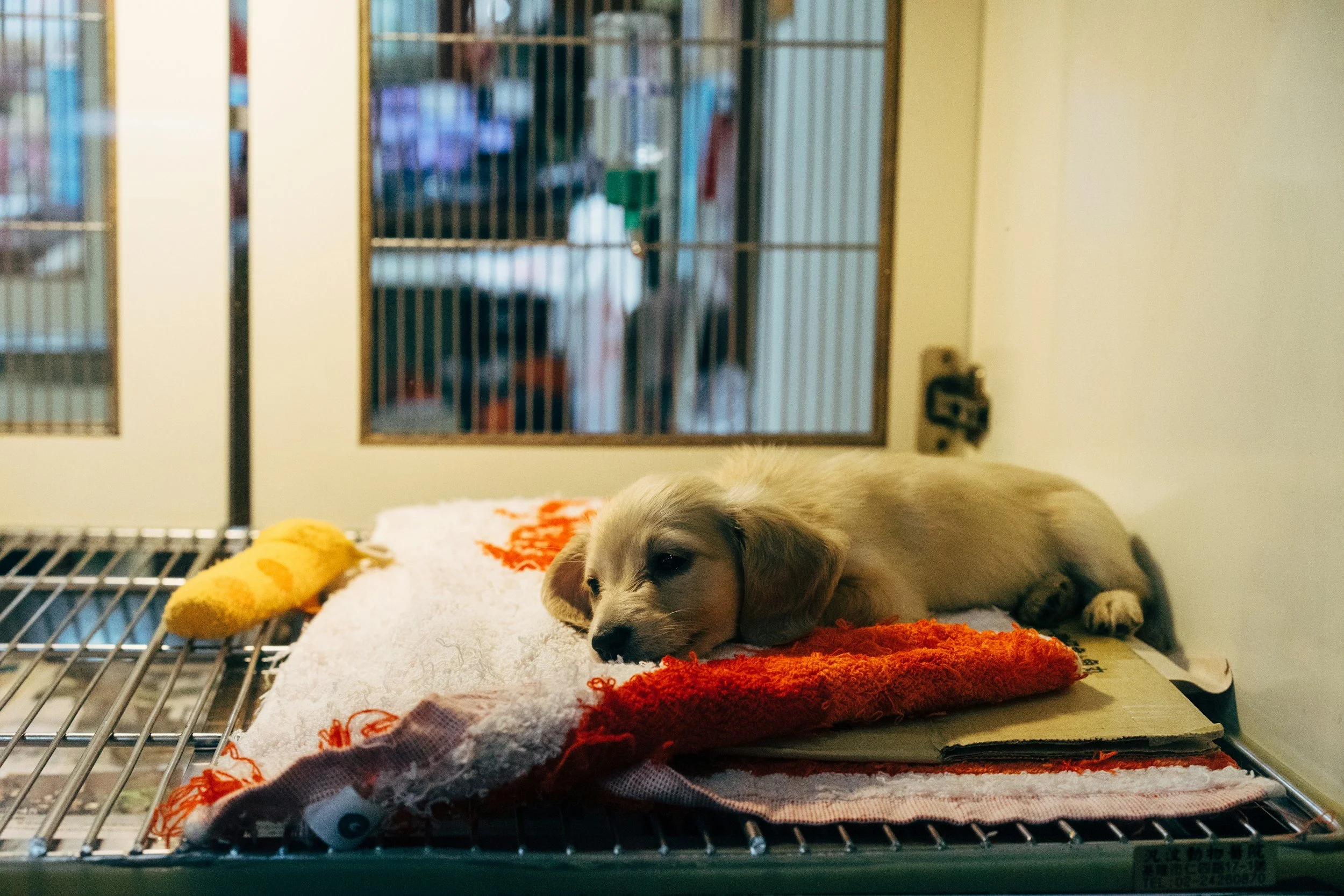
Animal Welfare
The Sewall Foundation’s support for animal well-being is rooted in the interests of its founder and their recognition that the health and well-being of animals, people and environment are inextricably linked.
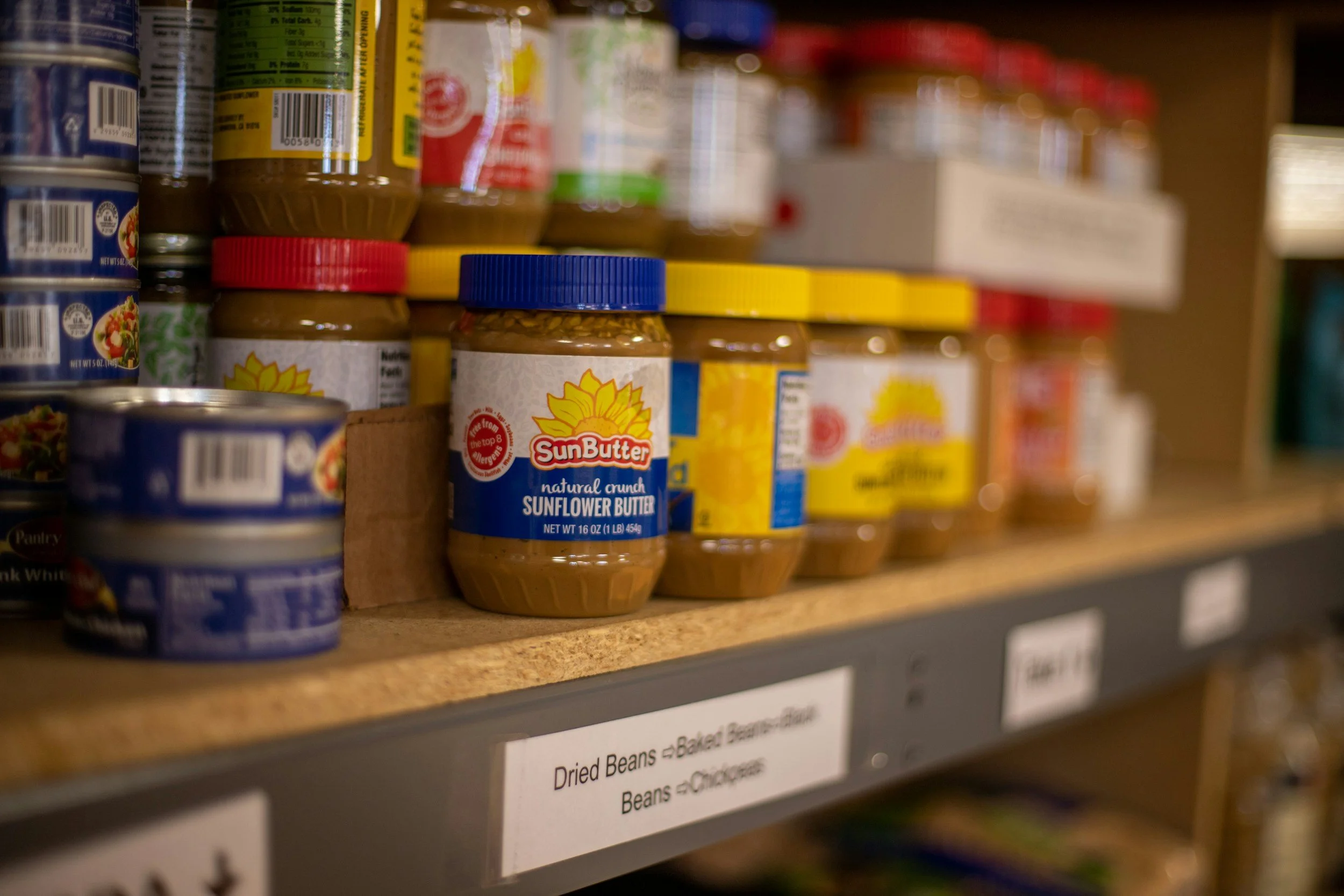
Food Systems
The Sewall Foundation is committed to working with grantees and philanthropic partners to co-create a thriving, healthy, and just food system where local communities are guiding decisions about, and have abundant access to, the resources needed for collective well-being and the foods that remind us we belong.

Keystone
The Sewall Foundation’s Keystone program prioritizes grassroots and community-led efforts to address environmental and racial justice, as a key strategy for equitable social change and community well-being
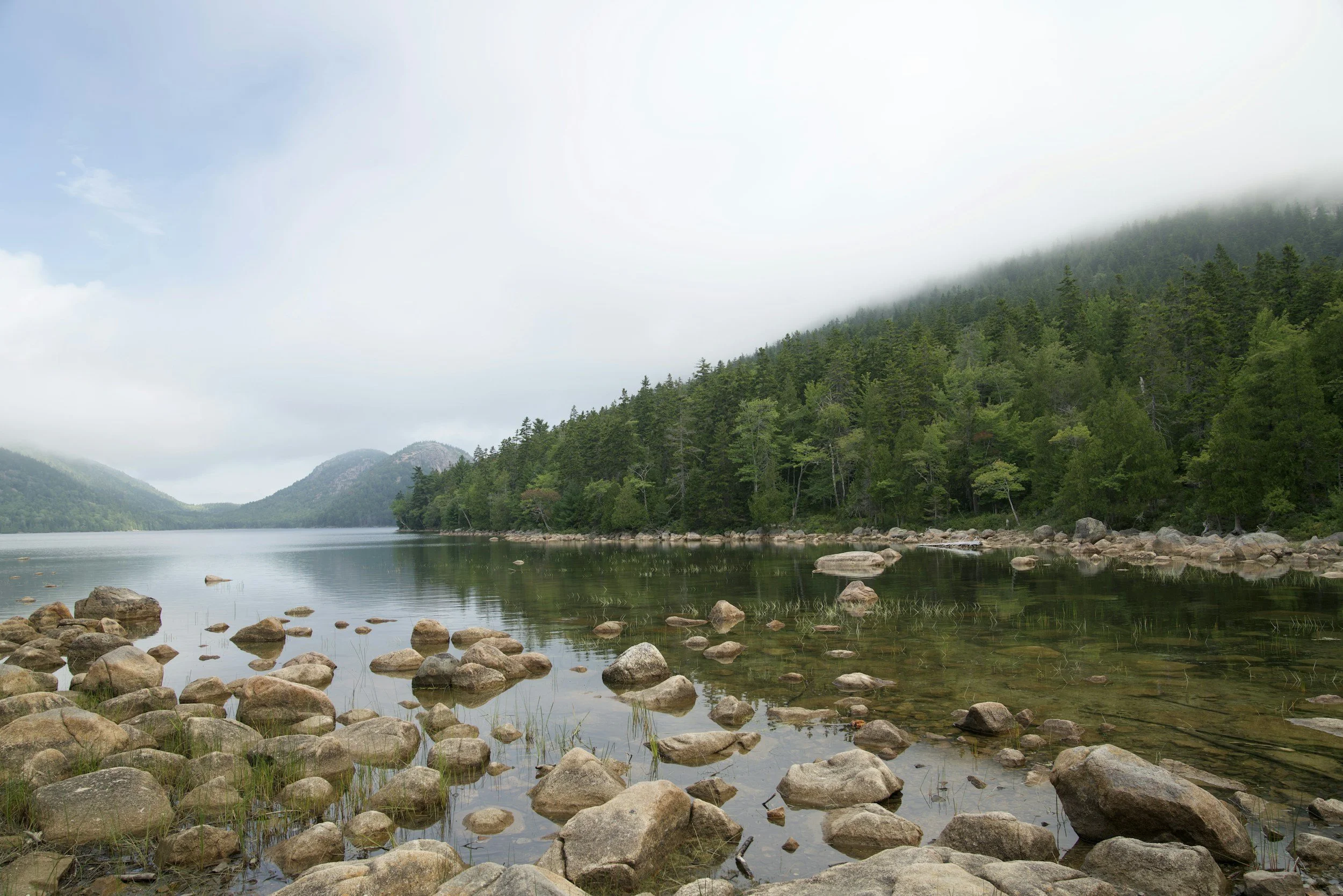
Nature-Based Education
The Sewall Foundation supports collaborative and organizational initiatives that advance the field, build strong networks that change systems and policy, include and elevate diverse voices and leadership, and result in equitable outcomes for all Mainers.
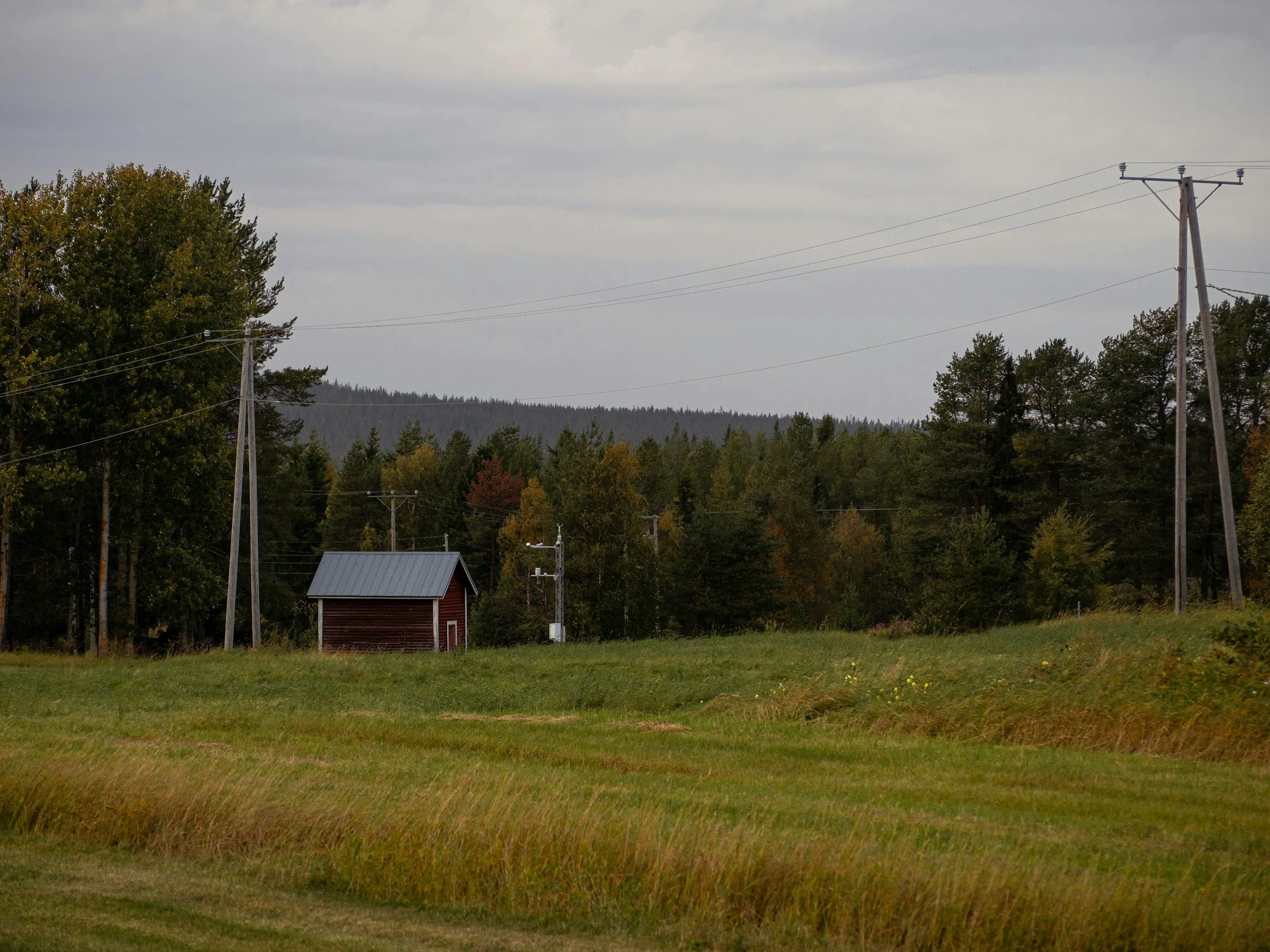
Rural Partnerships
The Sewall Foundation works with their partners to create a thriving, healthy, and resilient rural Maine where communities envision and guide their future.
Lewiston-Auburn
The Sewall Foundation supports organizations and efforts in Lewiston and Auburn that shape a stronger, more connected community while addressing community-identified needs.

Wabanaki
The Sewall Foundation seeks to be a good partner to Wabanaki Tribes and Wabanaki-led and -serving community organizations by supporting work on community priorities through grants, capacity-building and technical assistance, convening, shared learning, and impact investment.